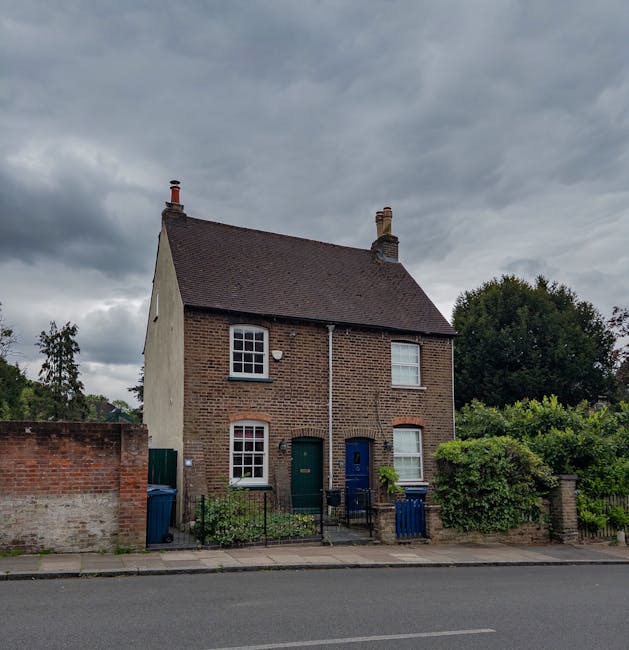
Harrow Council removals permits and street closure rules: a practical guide for a smoother move
Planning a move in Harrow can feel simple right up until the van is loaded, the lift is booked, and you realise the road outside may not be as straightforward as it looks. Harrow Council removals permits and street closure rules can affect where a vehicle stops, whether parking bays need suspending, and whether a street needs formal management for safe access. Get it wrong and you risk delays, fines, frustrated neighbours, or a very awkward morning with boxes on the pavement. Get it right, though, and the whole day tends to run calmer.
This guide explains what these rules usually mean in plain English, how removals teams typically approach them, what to check before moving day, and how to avoid the classic mistakes people make when they assume "it'll be fine for ten minutes". To be fair, that assumption causes more trouble than it solves.
Why Harrow Council removals permits and street closure rules matters
Moving day is already busy enough. You have keys, timing windows, fragile items, family members hovering, and a van that seems to become three times wider the moment it arrives in a residential street. In that kind of environment, parking and access are not small details. They are the difference between a tidy, controlled move and a chain reaction of delays.
In Harrow, as in many London boroughs, the key issue is not just parking. It is whether the removal vehicle can legally stop where it needs to stop, whether any bay needs to be suspended, whether loading takes place within a controlled zone, and whether the road layout or traffic conditions require additional management. If the move affects the public highway, you need to think ahead.
This matters even more on tighter streets, near schools, on busier through-roads, and around flats with limited access. A removal lorry blocking a lane for twenty minutes can cause more than inconvenience. It can create a safety issue for pedestrians, cyclists, and other drivers. That is why councils set rules around permits, suspensions, and in some cases street closures or temporary traffic control.
Key point: a permit is not just a formality. It is part of making sure the move is safe, legal, and predictable.
How Harrow Council removals permits and street closure rules works
Let's keep this simple. For most home or office moves, the process usually starts with identifying the access problem. Is there enough space for a van? Is there a resident bay outside the property? Do you need to reserve a loading space? Is the street too narrow for safe two-way flow if the vehicle is parked? Once that is clear, the next step is to work out what kind of permission or traffic management is needed.
In practical terms, removals often involve one or more of the following:
- Parking bay suspension so a space can be reserved for the removal vehicle.
- Loading permissions where stopping is allowed briefly for active loading or unloading.
- Temporary traffic management if the vehicle must occupy part of a carriageway for safety reasons.
- Street closure arrangements for exceptional cases where access is so constrained that the road needs to be controlled during the move.
Street closures are not routine for a normal house move, and it would be misleading to treat them like a standard booking. They are usually reserved for more complex situations where the size of the vehicle, the nature of the road, or the volume of activity creates a real traffic or safety issue. In other words, if you are moving a one-bed flat with a small van, closure rules are unlikely to be the headline. If you are moving from a large property on a narrow road with limited turning space, then the discussion becomes more serious.
Many removals teams will ask for basic details well in advance: address, property type, access constraints, move date, vehicle size, and whether lifts, stairs, or timed access windows are involved. That information helps determine whether a permit is needed and how much lead time is sensible. If you are using a service such as removals or a smaller vehicle solution like man and van, the access planning may look different, but the same principle applies: the street has to work for the vehicle, not just for your calendar.
There is also a practical layer to all this. Sometimes a move that looks easy on paper becomes awkward on the day because of parked cars, delivery lorries, or a neighbour who did not realise a bay needed to stay clear. That is where preparation matters. The earlier you check the rules, the fewer surprises you have when the van door slides open at 8:00 on a wet Tuesday morning.
Key benefits and practical advantages
People often ask whether going through the permit and access process is really worth it. Honestly, yes. Especially in built-up parts of Harrow where street space is tight and timing is everything.
1. Less stress on moving day
Nothing calms a move quite like knowing the vehicle has somewhere legal and sensible to stop. When access is sorted, the crew can work steadily instead of shuffling boxes from a distant corner or waiting for another car to move. The whole day feels less frantic.
2. Better protection against delays
If a parking restriction is ignored, the move may be disrupted mid-flow. That can push everything back: the cleaner, the key handover, the next occupant, the lift booking. A small permit issue can snowball fast.
3. Reduced risk of penalties or complaints
Parking in the wrong place, blocking access, or using a road in a way that creates obstruction can attract enforcement action or upset neighbours. Even if nobody says anything at the time, it is not a great way to start the new chapter, is it?
4. Safer loading and unloading
Safety is often overlooked until somebody twists an ankle carrying a wardrobe across a busy road. Reserving space close to the property reduces the distance that heavy items need to be moved and makes the operation tidier. If you are moving bulky furniture, the difference can be huge. For larger or awkward items, some customers also choose furniture storage or secure storage to reduce pressure around exact move-in timing.
5. A more professional removal process
When a move is organised around access rather than hope, everything looks more polished. The crew arrives, parks properly, and gets to work. That sounds simple. It is simple. But only after the planning has been done.
Practical advantage in one line: permits and street rules turn a risky, improvised move into a controlled one.
Who this is for and when it makes sense
This topic is not only for big removals firms. It is relevant to plenty of everyday movers in Harrow, from first-time flat renters to small business owners shifting offices a short distance away.
- House movers who need a clear loading space outside a terraced home or semi-detached property.
- Flat movers dealing with limited bay space, lift access, or basement entrances.
- Office relocations that involve multiple vehicles, equipment, and tighter schedules. Many of these moves tie in neatly with office removals and sometimes business storage if the move is phased.
- Landlords and letting agents coordinating end-of-tenancy removals and cleaning windows.
- Students moving in and out at peak periods when roads are busier and parking is at its most competitive. A short-term stop at student storage can take the pressure off if move dates do not line up.
- People moving bulky or split-load items who may need more time on the street than a standard car parking slot allows.
It also makes sense if your property is near a junction, on a narrow road, on a red route-type corridor, or anywhere vehicle access is unpredictable. If your first thought is, "I'm sure we can just squeeze in", that is usually the moment to slow down and check properly.
Step-by-step guidance
Here is a sensible, no-nonsense way to handle removals permits and street closure rules without turning the process into a drama.
- Assess the access situation early. Look at the road outside, the width of the carriageway, nearby parking restrictions, and whether the vehicle can safely stop close to the entrance.
- Confirm what kind of move you are doing. A small van move, a house removal, and an office relocation may each need different planning. A compact job may work well with small removals, while a larger move may need a full house removals setup.
- Check whether a parking bay suspension or loading restriction is likely. If the move depends on reserving space, do not leave this until the week before.
- Allow time for approvals. Council processes and traffic arrangements are rarely instant. Build in breathing room. Truth be told, moving plans always feel better when they are not hanging by a thread.
- Coordinate with your removals provider. Share the move date, property access details, vehicle size, and any known restrictions. If you are using local removals, the provider may already be familiar with common borough access issues.
- Prepare neighbours and occupants. A polite note or doorstep conversation can save you from parked cars blocking the route or someone deciding to leave a van in the one useful spot outside your gate.
- Keep documents and confirmations handy. Parking approval details, access instructions, and contact numbers should be easy to reach on the day.
- Review contingency options. If the street is blocked, ask in advance where the team can safely wait, how long the slot is available for, and whether another loading point is possible.
If the move is complicated, it can also help to split the plan into stages. For example, move fragile or seasonal items into short term storage first, then handle the main furniture load once the access arrangements are confirmed. A little extra planning now can save a very long afternoon later.
Expert tips for better results
In our experience, the smoothest moves are the ones where the access question is treated as seriously as the packing question. Boxes matter, yes. But road space matters too.
Use the road, not wishful thinking
Walk outside the property and picture the actual loading sequence. Where will the van stop? Can a trolley move safely from the entrance to the vehicle? Is there a slope, a kerb, or a blind bend? That one five-minute walk can reveal problems that looked invisible from the kitchen window.
Plan around school-run and commuter peaks
If your move is in a busier part of the borough, try to avoid the worst local traffic windows. Early mornings are often calmer, though not always. Friday afternoons can get messy. Monday mornings can too. Annoying, but true.
Choose vehicle size carefully
A smaller vehicle can sometimes reduce permit complexity and make loading far easier. This is especially true for flats, student moves, and lighter loads. Services such as flat removals or small removals often benefit from a more nimble vehicle choice.
Have a fallback for delayed keys
Keys are often the hidden risk in the whole move. If possession is delayed, where does the van wait? Where do the crew go? If you have a storage buffer or a flexible removals plan, the day is less likely to unravel. Some people use mobile self storage or removals and storage to smooth out timing gaps.
Don't ignore weather and ground conditions
Rain, frost, and wet leaves can turn simple loading areas into slippery spots. That matters when carrying heavy items across a public footway. It is a small detail, until somebody slips. Then it is the only detail anyone remembers.
Common mistakes to avoid
Most removals problems are predictable. That is the frustrating part. The good news is they are also preventable.
- Leaving permit checks too late. The permit process is not something to "sort on the morning".
- Assuming a private drive solves everything. Even with off-street parking, the route to the vehicle still matters.
- Booking the wrong vehicle size. Too big can create access issues; too small can create extra trips.
- Forgetting about neighbour vehicles. A clear road at 7 a.m. may not be clear at 8:15.
- Not checking if the road layout changes at certain times. Some streets feel very different at peak times than they do on a quiet Sunday afternoon.
- Not planning for building access rules. Flats, managed estates, and office buildings can have their own requirements on top of council-related access concerns.
- Failing to coordinate storage. If the new place is not ready, moving everything in one go can become stressful very quickly. self storage or long term storage can be a practical back-up.
One small but common slip: people focus on the destination and forget the street outside the old property. Both ends need a plan. Both ends. Not glamorous, but there it is.
Tools, resources and recommendations
You do not need fancy software to manage this well. A simple, organised approach is usually enough.
- Measure the vehicle and route. Width, turning space, overhead clearance, and kerb access all matter.
- Make a move-day contact sheet. Include the removals team, the building manager, the landlord or agent, and whoever is handling keys.
- Use a written timeline. Even a basic note on paper helps when everyone gets busy.
- Photograph the parking area in advance. It helps you visualise what is realistic and can be useful if access questions arise.
- List the bulky items separately. Wardrobes, sofas, appliances, and office furniture need more space and more care.
- Keep packing supplies ready. Good packing makes loading quicker, and quicker loading is a real asset when street access is limited. If you want help with that side of the move, packing services can make a surprising difference.
For move planning, the most useful "tool" is often a calm conversation with your removals provider. It sounds almost too obvious, but a ten-minute call can save hours of confusion later. If you want help shaping the overall budget as well, the pricing and quotes page is a sensible place to start looking at what different move setups can involve.
Law, compliance, standards, or best practice
When people talk about council removals permits, they are usually really asking about legality, responsibility, and public safety. The exact details can vary depending on the street, the bay arrangement, and the type of restriction involved, so it is wise to treat the council's current process as the final word for your move. This article is not legal advice, and it would not be sensible to pretend otherwise.
What you can rely on is the general best practice used across UK removals work:
- Do not block traffic unnecessarily.
- Keep pedestrian access safe.
- Follow any parking or loading restrictions.
- Use the correct permissions for reserved space or suspensions.
- Coordinate any temporary traffic control in advance.
- Document the plan clearly so everyone knows what is happening.
Reputable removals firms also work to internal health and safety procedures, insurance expectations, and careful handling standards. If you want to understand how a provider approaches those duties, it is worth reviewing pages such as health and safety policy, insurance and safety, and terms and conditions. For businesses, extra care around records and equipment can make document storage or office storage part of the wider compliance picture too.
If your move includes furniture, appliances, or recyclable packing materials, it also helps to think about waste and reuse. A responsible move is not just about getting everything from A to B. It is about doing it without unnecessary mess or avoidable waste.
Options, methods, or comparison table
Different moves need different solutions. Here is a straightforward comparison to help you choose the right level of access planning.
| Option | Best for | Pros | Trade-offs |
|---|---|---|---|
| Standard roadside loading | Simple moves with easy access and light traffic | Quick, low complexity, often the cheapest setup | Can be risky if parking is tight or the street fills up |
| Bay suspension or reserved space | Homes and flats where a clear vehicle position is needed | More reliable, easier loading, fewer delays | Needs planning and advance coordination |
| Temporary traffic management | Constrained streets or larger vehicles needing controlled access | Safer for everyone involved | More logistics and usually more preparation |
| Street closure arrangement | Exceptional cases with major access or safety concerns | Maximum control for complex moves | Rare, more formal, and not appropriate for most removals |
The right choice depends on the road, the property, and the move size. A one-bed flat with light furniture may need nothing more than careful parking. A full house move with a larger vehicle may need reserved space. And a high-complexity move with narrow access could push you into temporary street management. The point is to match the solution to the problem, not the other way round.
Case study or real-world example
Picture a family moving from a terraced house on a narrow Harrow street on a weekday morning. The road is lined with resident parking, a neighbour often leaves a van half on the kerb, and there is just enough space for one larger vehicle if the route is kept clear. The original plan was to have the removals truck arrive and "find a spot". That would have been a gamble.
Instead, the move was broken into three parts. First, the access point was checked. Second, the removal vehicle size was chosen with the street in mind. Third, a reserved loading space was arranged so the van could stop close to the entrance. The family also packed a separate essentials box and moved a few non-urgent items into temporary storage first, using a combination of household storage and a smaller move plan to reduce clutter.
On the day, the crew loaded steadily, without having to wait for another car to move. There were still the usual moving-day sounds - tape tearing, drawers thumping shut, someone asking where the kettle had gone - but the street side of the operation stayed calm. That calm is worth a lot. It meant the family could leave on time, the keys were handed over without panic, and nobody had to apologise to three different neighbours before lunch.
The lesson is simple: access planning does not make moving glamorous, but it does make it sane.
Practical checklist
Use this checklist before moving day. It is basic, but basic is often what saves you.
- Confirm the move date and access times.
- Check whether the road outside needs a permit, suspension, or traffic management.
- Measure vehicle access and turning space.
- Tell your removals provider about staircases, lifts, and building rules.
- Reserve loading space if needed.
- Warn neighbours if a vehicle will be occupying the street for a while.
- Prepare parking instructions for the driver.
- Keep keys, documents, and contacts in one place.
- Have a fallback plan if the property handover is delayed.
- Decide whether any items should go to storage first.
Quick reassurance: you do not need to solve everything alone. A good removals plan is usually just a series of sensible small decisions made early enough.
Get a free quote today and see how much you can save.
Conclusion
Harrow Council removals permits and street closure rules may sound like dry admin, but they are really about making your move safe, legal, and less stressful. If the street outside your property is straightforward, you may only need simple loading planning. If access is tighter, a reserved bay or more structured traffic arrangement can protect the whole day from chaos. Either way, the earlier you look at the road, the easier the move becomes.
That is the quiet truth of moving well: it is rarely the boxes that cause the biggest problems. It is the bit outside the front door.
When you plan the access properly, the rest of the move has room to breathe. And that, in the middle of a busy life, is no small thing.
Frequently Asked Questions
Do I always need a permit for a removals van in Harrow?
Not always. It depends on where the van needs to stop, whether the street is controlled, and whether any parking bay or loading space must be reserved. For simple access on unrestricted roads, a permit may not be needed. For tighter streets, it often is worth checking well in advance.
What is the difference between a parking permit and a street closure?
A parking permit or bay suspension is usually about reserving or legally using a specific space for the vehicle. A street closure is more serious and is used when the road itself needs to be controlled for safety or access reasons. Most removals only need the former, not the latter.
How far in advance should I check Harrow Council removals rules?
As early as you can. A week before is better than the night before, but earlier still is safer. If the move is complex, the access planning should be part of the booking conversation, not a last-minute add-on.
Can my removals company arrange the permit for me?
Some can help coordinate the process or advise what is needed, but not every company handles this in-house. Always confirm who is responsible for applying, paying, and chasing approval so there is no confusion.
What happens if I park without the right permission?
You may face enforcement action, delays, or complaints, depending on the location and situation. Even if nothing is issued on the spot, illegal or unsafe parking can still disrupt the move. It is one of those risks that is easy to avoid but annoying to fix.
Are street closures common for home removals?
No, they are not common for standard home moves. They are usually reserved for more complicated access or safety situations. For most households, the more realistic solution is a loading bay, suspended space, or a carefully planned parking setup.
What if my new property has better access than the old one?
That is helpful, but it does not remove the need to plan the old address properly. The load-out side of the move can be the more difficult one, especially in older streets or denser residential areas.
Should I use storage if the access timing is uncertain?
Yes, if the move-in and move-out dates do not line up neatly. Short-term storage can reduce pressure and give you more flexibility. It is particularly useful if the council permission or building access window is tight.
Do flat moves need different planning from house moves?
Often, yes. Flats can involve shared entrances, lifts, restricted loading areas, and estate rules. That means access planning can be more detailed, even if the total volume of belongings is smaller.
How do I know whether my street is too narrow for a removal van?
The safest way is to assess the road in person and consider the vehicle size, turning room, and nearby parked cars. If you are unsure, ask the removals provider to review it with you. A quick look is usually enough to spot the obvious pinch points.
Is it worth paying for a more organised move just to avoid street issues?
Usually yes. The cost of a better-planned move is often easier to justify than the cost of delays, repeat trips, or enforcement problems. In real life, smooth often beats cheap when the street is tight and the clocks are ticking.
Can office moves in Harrow use the same approach?
The principle is the same, but the logistics are usually more complex. Office relocations may involve multiple loads, equipment protection, and a tighter schedule. In those cases, access planning matters even more, especially if you are also using storage or phased move-outs.