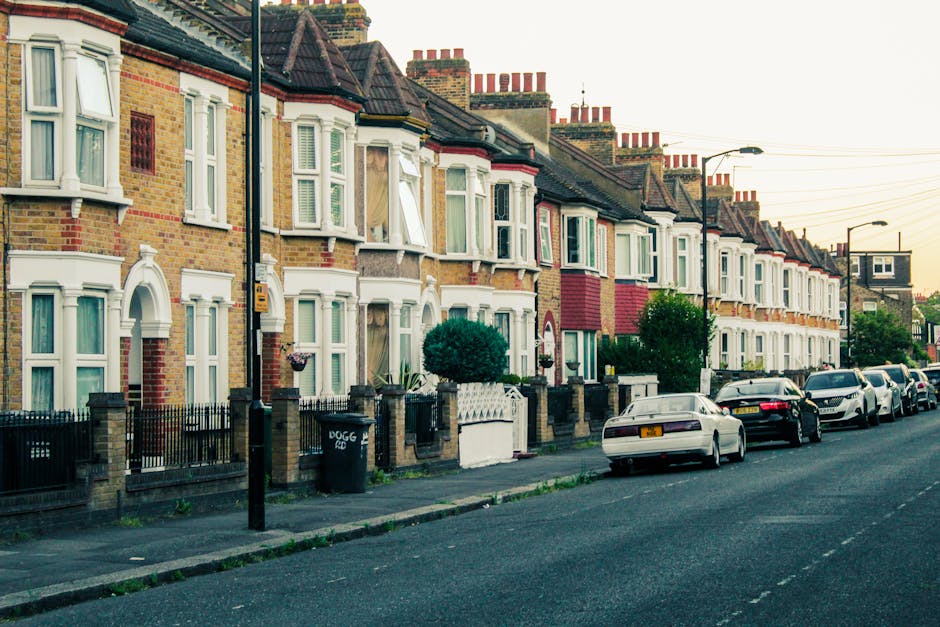
Removals HA1 to HA3 insider tips for Harrow moves
If you are planning a move across Harrow, the details matter more than people expect. A short journey from HA1 to HA3 can still turn into a long day if parking is tight, access is awkward, or you leave the packing too late. That is exactly why Removals HA1 to HA3 insider tips for Harrow moves are worth having in one place. The aim here is simple: help you move with less stress, fewer surprises, and a much better sense of control.
Whether you are shifting a flat near Harrow town centre, a family house in a quieter residential street, or a first-time rental with a few awkward stairs and a very heavy sofa, the same principles apply. Good planning saves time. Clear communication saves money. And a realistic moving plan saves your sanity. Let's face it, nobody wants to be standing in the hallway at 7:30am wondering where the kettle box went.
This guide walks through how removals in HA1 to HA3 usually work, what to watch out for, which decisions make the biggest difference, and how to compare options without getting lost in the jargon. You will also find a practical checklist, a comparison table, and a few small real-world observations that tend to be missed in generic moving advice.
Expert summary: The smoothest Harrow moves are rarely the cheapest-looking ones on paper. They are the ones with the cleanest access plan, the best packing discipline, and the least room for avoidable guesswork.
Why Removals HA1 to HA3 insider tips for Harrow moves Matters
Harrow is one of those places where a move can look straightforward until the practical bits kick in. HA1, HA2, and HA3 cover busy roads, varied housing stock, narrow entrances, shared driveways, estate parking, and the occasional building where turning a corner with a wardrobe becomes a tiny engineering problem. If you know that before moving day, you can plan around it. If you do not, you discover it the hard way.
That is why local insight matters. A move within Harrow is not just about lifting boxes from one postcode to another. It is about timing, access, parking, building rules, and how the contents of your home will actually travel through real streets, real stairwells, and real weather. In our experience, the difference between a calm move and a messy one often comes down to a few simple things done early.
For example, a second-floor flat near a busy road may need extra thought around loading time, lift access, and where the van can safely stop. A family house in HA3 with a driveway may seem easier, but if there are garden tools, bikes, and a garage full of forgotten stuff, the job can still take longer than expected. Harrow moves reward preparation. They really do.
There is also the customer side of it. Most people are not moving every few months. They are balancing work, children, utility changes, keys, cleaning, and a hundred little admin tasks. Clear removals planning takes pressure off the whole week. That is not a small thing.
How Removals HA1 to HA3 insider tips for Harrow moves Works
A good removals process usually follows the same broad pattern, even if the properties differ. First comes the pre-move assessment. This is where the size of the property, the volume of items, access details, and any awkward furniture are discussed. Then comes the plan for packing, loading, transport, and unloading. Simple enough on paper. In practice, this is where the real value sits.
Local moves across HA1 to HA3 often involve short travel distances, but short does not mean simple. If parking restrictions, road width, school traffic, or entry codes slow the day down, the whole timetable shifts. A move that should take half a day can stretch if the team has to carry items a long distance from the van or wait for access. That waiting time matters.
Many people also underestimate the role of packing discipline. Boxes should be sturdy, not overloaded, and clearly labelled by room and priority. Beds, lamps, kitchenware, cables, and documents should not all end up in one vague "miscellaneous" box. That box is funny for about ten minutes. Then it becomes the box you hate.
If you are comparing providers, look closely at what is included in the service and what is optional. Some moves need only transport and lifting. Others need dismantling, reassembly, wrapping, or help with fragile pieces. If you also need temporary storage, it is worth checking practical support pages such as pricing and quotes and the company's insurance and safety information before you commit.
Key Benefits and Practical Advantages
The main benefit of using local removals insight for Harrow is not just convenience. It is predictability. When you know what usually slows a move down, you can plan around it and keep the day moving.
- Less wasted time: A realistic access plan reduces delays at loading and unloading.
- Lower stress: Clear labelling and timing make the day feel manageable.
- Better protection for belongings: Proper packing and handling reduce damage risk.
- More accurate quotes: Good information upfront means fewer unpleasant surprises later.
- Cleaner coordination: Everyone knows what happens first, what needs dismantling, and what should be loaded last.
Another practical advantage is that you can make better decisions about what is worth moving at all. Some items are heavy, outdated, or simply not worth taking to the next home. When a move is local, people sometimes carry clutter from one property to another out of habit. It is understandable, but not always smart.
There is also a small but useful emotional benefit. A well-organised move tends to feel less invasive. You still get the noise, the tape, the door open all morning, the low hum of activity. But it feels controlled. That matters when the rest of life is already busy.
Who This Is For and When It Makes Sense
This guidance is useful for anyone moving between or within HA1, HA2, and HA3, but a few groups benefit especially.
- First-time movers: If you have never coordinated a local move before, you will need a practical structure.
- Families: More furniture, more boxes, more timing pressure, more chances for the day to drift.
- Flat movers: Stair access, lifts, and parking can make a "small" move surprisingly fiddly.
- Busy professionals: If time is tight, a properly planned removals day prevents last-minute chaos.
- Older homeowners downsizing: Careful sorting, packing, and possibly storage decisions become more important.
- Landlords and tenants: End-of-tenancy moves often need punctuality and clean handovers.
It also makes sense if you are moving in phases. Maybe the sofa is going one day, the rest of the house later, or some belongings are heading into storage first. In that case, the removals plan needs extra clarity. Mixed schedules are where confusion grows quickly.
If you want to understand the company behind the service before you decide, the about us page is a sensible place to start. A move is personal. Trust matters.
Step-by-Step Guidance
The cleanest moves usually follow a fairly disciplined sequence. Not glamorous, but effective.
- Audit the property early. Walk room by room and note furniture sizes, awkward items, fragile belongings, and anything that needs dismantling.
- Check access in both postcodes. Think about parking, steps, lift access, front-door width, narrow hallways, and where the vehicle can safely stop.
- Choose your moving date carefully. If you can avoid peak traffic or school-run pressure, do it. Even a small timing shift can help.
- Declutter before packing. Sort what you are keeping, donating, recycling, or discarding. Less stuff means a quicker move.
- Pack by room and priority. Label each box clearly. Put essentials where you can reach them first.
- Confirm special items. Pianos, large mirrors, artwork, white goods, and glass tables need advance discussion.
- Prepare an essentials bag. Keys, medication, chargers, snacks, tea bags, cleaning cloths, toilet paper. Basic stuff. Vital stuff.
- Keep documents together. Tenancy papers, completion paperwork, inventory forms, and ID should not disappear into a box pile.
- Do a final walk-through. Check cupboards, lofts, under beds, behind doors, and the meter area before the van leaves.
One practical detail people often miss: your unloading order matters. If the bed and kettle go in first, the first night feels a lot easier. If they are buried under six boxes of books and a disassembled desk, you will notice. Very quickly.
Expert Tips for Better Results
These are the sorts of tips that do not always sound dramatic, but they make a real difference on the day.
1. Photograph awkward items before the move
Take quick photos of cable setups, shelving arrangements, electronics, and furniture that needs reassembly. It saves time later and prevents the classic "where does this screw go?" moment.
2. Move high-value essentials separately if needed
Important documents, jewellery, medication, and sentimental items are often better kept with you rather than put on the van. It is one less worry, and to be fair, it is just common sense.
3. Use colour labels if the move is complex
Room names are helpful, but coloured tape can speed things up when several people are unloading at once. Kitchen boxes, for example, can be marked in one colour, bedrooms in another.
4. Leave one "open first" box per room
This stops the new place from becoming a wall of sealed cardboard. A box with basic items for each key room makes the first evening far less messy.
5. Be honest about access problems
If there are three flights of stairs, a tight entrance, or limited parking, say so early. A provider can plan around reality. They cannot plan around guesswork.
6. Keep a tiny buffer in the schedule
Traffic, lift delays, and unexpected packing issues happen. Even a small buffer can stop the whole day from feeling rushed. That breathing space helps more than people expect.
One more thing. If you are comparing providers and the quote process feels vague, ask for clearer wording on what is included. The right service should feel structured, not slippery.
Common Mistakes to Avoid
Most moving problems come from a handful of avoidable mistakes. The good news is that once you know them, they are easy enough to dodge.
- Leaving packing too late: This is the big one. Last-minute packing usually means poor labelling and broken momentum.
- Ignoring parking and access: If the van cannot stop close to the property, the job becomes harder and slower.
- Overfilling boxes: Books in a huge box might sound efficient. Your back will not agree.
- Failing to separate essentials: The first night should not involve hunting for toothpaste or a phone charger.
- Not checking dismantling needs: Beds, wardrobes, and some desks need advance planning, not guesswork on the day.
- Forgetting to cancel or transfer services: Utilities, broadband, and subscriptions are easy to overlook when you are focused on the physical move.
- Choosing only on price: The cheapest quote may not account for access, wrapping, waiting time, or additional labour.
There is also a more subtle mistake: not asking questions because you do not want to seem fussy. Ask them anyway. A good moving provider should welcome practical questions. That is how smooth jobs are built.
Tools, Resources and Recommendations
You do not need a warehouse of equipment to move well, but a few basic tools make everything easier. Think of this as the quiet kit that saves the day.
- Strong boxes: Use proper moving boxes rather than random supermarket cartons for heavier or fragile items.
- Packing tape: Cheap tape fails at the wrong moment. Annoying, and avoidable.
- Marker pens and labels: Clear writing beats a mystery scrawl every time.
- Bubble wrap or paper wrap: Handy for glassware, lamps, and awkward little items.
- Furniture blankets and covers: Helpful for protecting wood, upholstery, and polished surfaces.
- Basic toolkit: Screwdrivers, Allen keys, and a small bag for screws make reassembly much easier.
- Trolley or sack barrow: Very useful for heavy items if access allows it.
For service planning, it is worth reviewing the provider's practical support pages. The health and safety policy explains the kind of approach you should expect around safe handling. If you are dealing with payment or booking details, the payment and security information can help you understand how those steps are handled. And if you have any concerns or special questions, the contact page is the sensible place to start.
If sustainability matters to you, it is worth asking what happens to unwanted items and packing waste. The recycling and sustainability information is a useful reference point for that conversation.
Law, Compliance, Standards, or Best Practice
Moving home involves ordinary practical responsibilities rather than heavy regulation for most household customers, but there are still a few standards and best-practice points worth keeping in mind.
First, access and parking rules may affect where a vehicle can stop and how long loading can take. In a busy area like Harrow, this is not just a formality. If parking is restricted or timing is tight, planning ahead helps avoid delays and awkward last-minute reshuffling.
Second, safety should never be treated as background noise. Heavy lifting, stairs, fragile objects, and narrow entrances create real risk if handled carelessly. Good practice means using suitable packing, lifting carefully, and being honest about items that need two people, extra wrapping, or specialist attention.
Third, consumer clarity matters. Before you book, make sure you understand the quote structure, what is included, payment expectations, cancellation terms, and complaint handling if something goes wrong. That is part of a sensible transaction, not being difficult. The relevant pages on terms and conditions, complaints procedure, and privacy policy can help set expectations around service, data, and dispute handling.
Finally, if a provider states how it handles safety, insurance, accessibility, and ethical standards, that is usually a good sign. You want straightforward answers, not airy promises. No drama, just clarity.
Options, Methods, or Comparison Table
Different moves call for different approaches. The right method depends on property size, how much you own, whether you need help packing, and how much time you can personally give to the process.
| Method | Best for | Strengths | Trade-offs |
|---|---|---|---|
| Full-service removals | Busy households, larger homes, tight schedules | Less stress, coordinated handling, faster on the day | Usually costs more than doing some tasks yourself |
| Part-pack / partial support | People who can pack most items but need help with heavy furniture | Balanced cost and support, flexible | Requires more personal organisation |
| Transport-only move | Small moves, straightforward access, experienced movers | Can be cost-effective, simple for minimal loads | You handle packing, loading prep, and more of the logistics |
| Move with storage | Staged moves, downsizing, delayed completion dates | Useful when dates do not align neatly | Needs extra planning and clear item inventory |
For many HA1 to HA3 moves, a mixed approach is the sweet spot. You might pack personal items yourself, let professionals handle the large furniture, and use storage for the awkward middle ground. That flexibility can make the whole move feel less crowded and less rushed.
Case Study or Real-World Example
Here is a realistic local-style example. A couple moving from a flat in HA1 to a family house in HA3 thought the move would be quick because the distance was short. In practice, the first issue was parking near the flat. The second issue was a large corner sofa that would not turn cleanly through the stairwell without careful handling. The third issue was that their kitchen boxes were packed with no room labels, so unloading became a mini guessing game.
What changed the day was not heroics. It was structure. They moved the sofa earlier in the load order, kept a separate essentials bag, and grouped boxes by room with clearer labels. They also had a quick conversation beforehand about which items needed dismantling. Nothing fancy. Just properly thought through.
The result was a calmer arrival at the new house. The kettle was easy to find, the bed frame went back together without a lost screw hunt, and the living room was usable by evening. That kind of outcome does not happen by accident. It happens because the move was treated like a project instead of a pile of boxes.
A small observation from situations like this: people often remember the move as being "hard work" either way, but they nearly always prefer the version where the hard work was organised.
Practical Checklist
Use this checklist in the final week before moving day. It is plain, but very effective.
- Confirm moving date, arrival window, and contact details.
- Check access at both addresses, including stairs, lifts, and parking.
- Separate items going to storage from items going to the new home.
- Pack an essentials bag for each adult and any children.
- Label boxes by room and mark fragile items clearly.
- Photograph furniture layouts and cable setups where useful.
- Disassemble any furniture that was agreed in advance.
- Defrost, clean, and unplug appliances if needed before the move.
- Set aside valuables, documents, and medications.
- Do a final property walk-through before handing over keys.
- Keep cleaning supplies handy for both the old and new place.
- Check quotes, inclusions, and any booking terms one last time.
Quick reality check: A move goes best when the biggest unknowns are answered before moving day, not during it.
Get a free quote today and see how much you can save.
Conclusion
Local moves across HA1 to HA3 do not need to feel chaotic. With the right preparation, a clear access plan, and a bit of honest thinking about what actually needs moving, the whole process becomes far more manageable. That is the heart of these Removals HA1 to HA3 insider tips for Harrow moves: practical habits that save time, protect your belongings, and keep the day steady.
Focus on the basics first. Pack well. Label clearly. Ask about access. Keep your essentials close. And do not be shy about asking questions before the van turns up. A good move is usually built in the planning stage, not on the pavement outside.
If you are still deciding how much help you need, take a moment to review the service details, compare options carefully, and make sure the next step feels right for your situation. A little preparation now can make the first night in your new place feel surprisingly calm. That is worth aiming for.
Frequently Asked Questions
What makes removals in HA1 to HA3 different from a generic London move?
Local Harrow moves often involve short distances but tricky access, parking, and a mix of property types. That means timing and planning matter just as much as lifting and transport.
How far in advance should I book a removals service for a Harrow move?
If you can book early, do it. The best timing depends on your dates and how busy the moving period is, but leaving it until the last moment usually reduces your options and increases stress.
Do I need help packing, or can I do it myself?
Many people pack some or most of their items themselves. If you have fragile belongings, heavy furniture, or limited time, partial or full packing support can make the move easier and safer.
How should I prepare for parking issues on moving day?
Check access at both addresses in advance and be clear about where a van can stop. In busy streets, a small access problem can quickly affect the whole timetable.
What items should I keep with me instead of putting on the van?
Keep important documents, medication, valuables, chargers, keys, and a basic overnight bag with you. It makes the first evening far less stressful.
Are storage options useful for HA1 to HA3 moves?
Yes, especially if your dates do not line up neatly or you are downsizing. Storage can help reduce pressure if you need to move in stages.
How do I avoid damage to furniture during a local move?
Use proper wrapping, avoid overloaded boxes, and make sure large furniture is dismantled or protected when needed. Clear communication about fragile or awkward items is a big help too.
What should I look for in a removals quote?
Look for clarity on what is included, how access is handled, whether dismantling is covered, and what could change the price. A vague quote is rarely a good sign.
Is a cheaper removals quote always the best option?
Not necessarily. A lower price can be fine if the service is clear and suitable, but the cheapest option may not include the support you actually need. Compare value, not just the headline number.
What are the most common moving-day mistakes in Harrow?
The big ones are late packing, poor labelling, underestimating access issues, and forgetting essentials. They are all fixable if you spot them early enough.
How can I make the first night in the new home easier?
Prepare a first-night box with bedding, toiletries, chargers, tea or coffee, snacks, and any basic cleaning supplies. It sounds simple, but it helps the whole evening feel much more settled.
Who should I contact if I need to ask about booking, safety, or service details?
The best place to start is the company's contact page. If you want to understand terms, payment, or service expectations first, the relevant policy pages are also helpful.